Many Sunni scholars permitted mutah
Mut'ah Is More Permissible Than Drinking Water said by Sa'id ibn Jubayr
Al-Musannaf (Abd al-Razzaq) v7 p496, h14020
Abdullah ibn Uthman ibn Khuthaym narrated that Sa'id ibn Jubayr frequently visited a beautiful Iraqi woman in Mecca. When asked why, Sa'id explained that he had contracted a Mut'ah marriage with her. He reportedly stated: “Mut'ah is more permissible than drinking water.”
قال: إنا قد نكحناها ذلك النكاح للمتعة. قال: وأخبرني أن سعيدا قال له: هي أحل من شرب الماء، للمتعة.
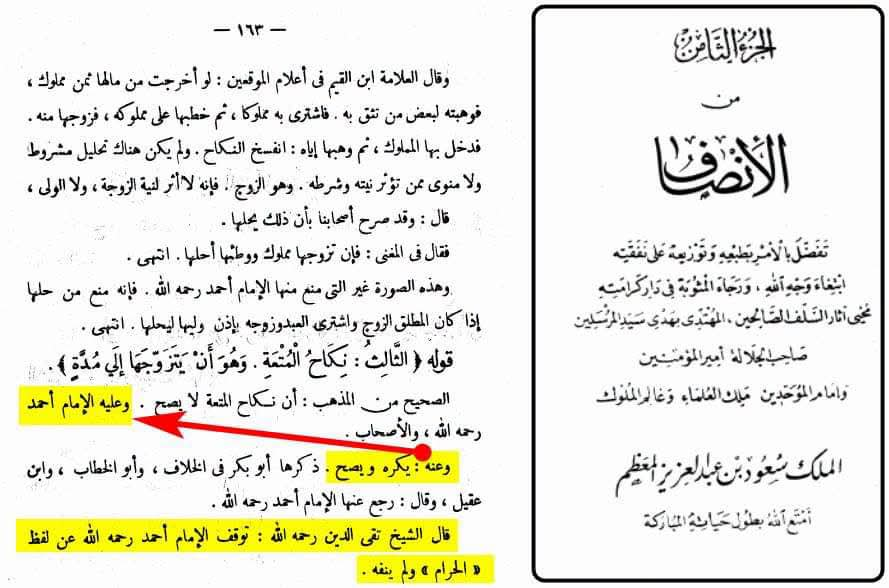
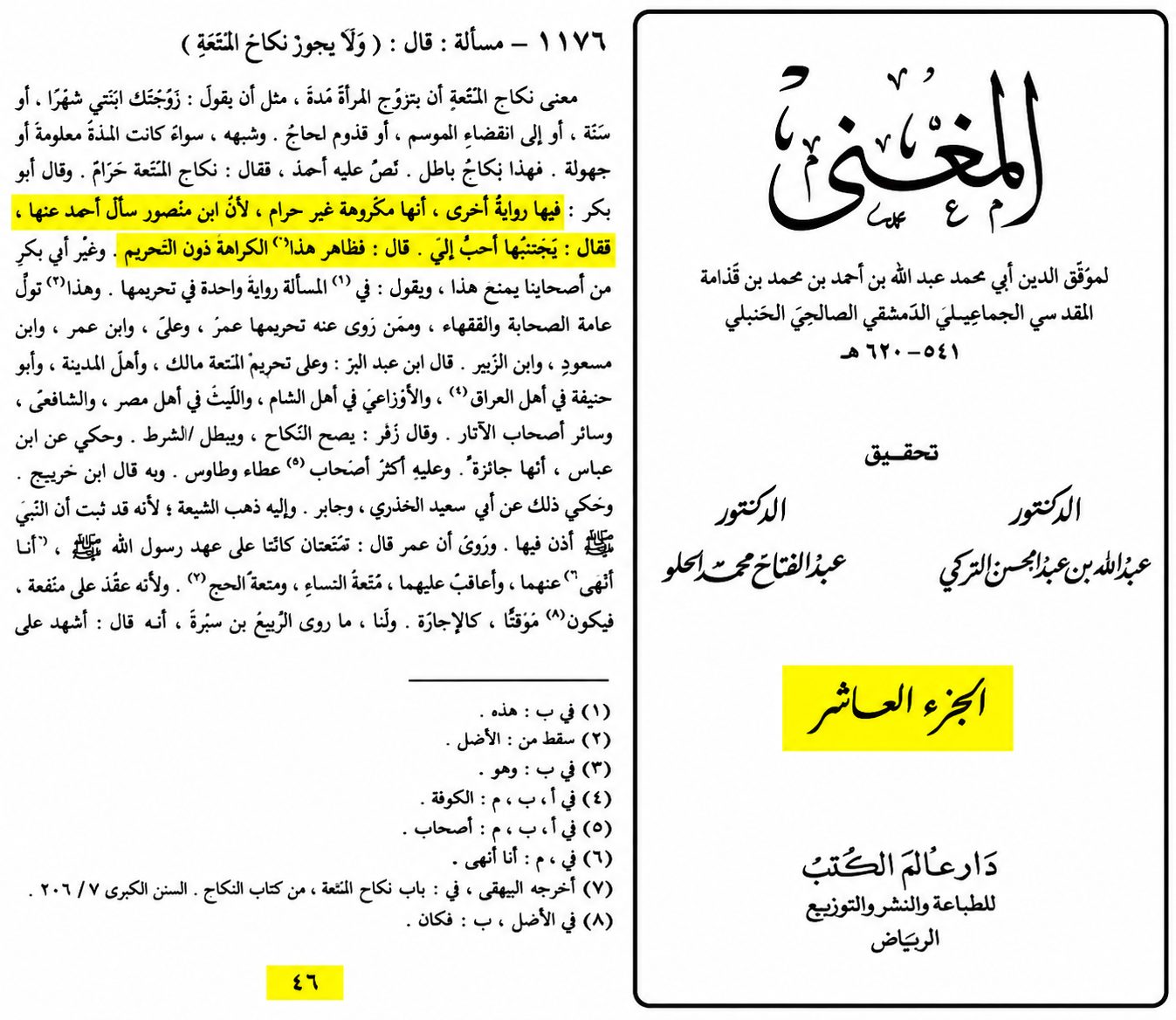
Imam Ahmad Considered Mutah Disliked, Not Forbidden
Al-Insaf v8 p163
Al-Mughni v10 p46
Al-Mardawi records that the established position of the Hanbali school is that Mutah marriage is invalid. However, Imam Ahmad ibn Hanbal held another opinion that Mutah is disliked but valid. Ibn Aqil also mentioned this view. Taqi al-Din Ibn Taymiyyah stated that Imam Ahmad refrained from explicitly declaring Mutah forbidden.
الصحيح من المذهب: أن نكاح المتعة لا يصح. وعليه الإمام أحمد رحمه الله، والأصحاب.
وعنه: يكره ويصح. ذكرها أبو بكر في الخلاف، وأبو الخطاب، وابن عقيل، وقال: رجع عنها الإمام أحمد رحمه الله.
قال الشيخ تقي الدين رحمه الله: توقف الإمام أحمد رحمه الله عن لفظ الحرام ولم ينفه.
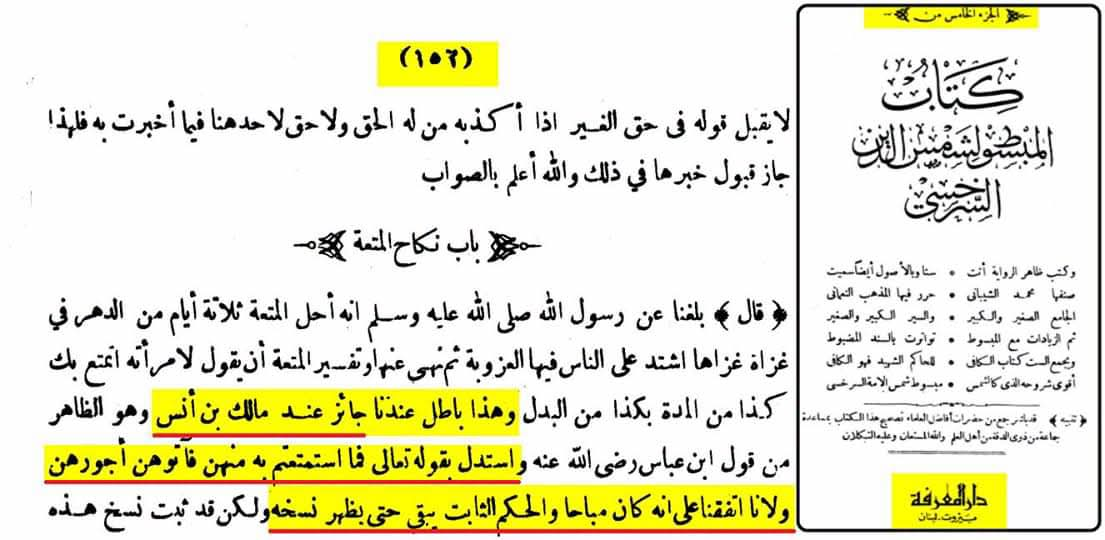
Imam Malik Permitted Mutah Marriage
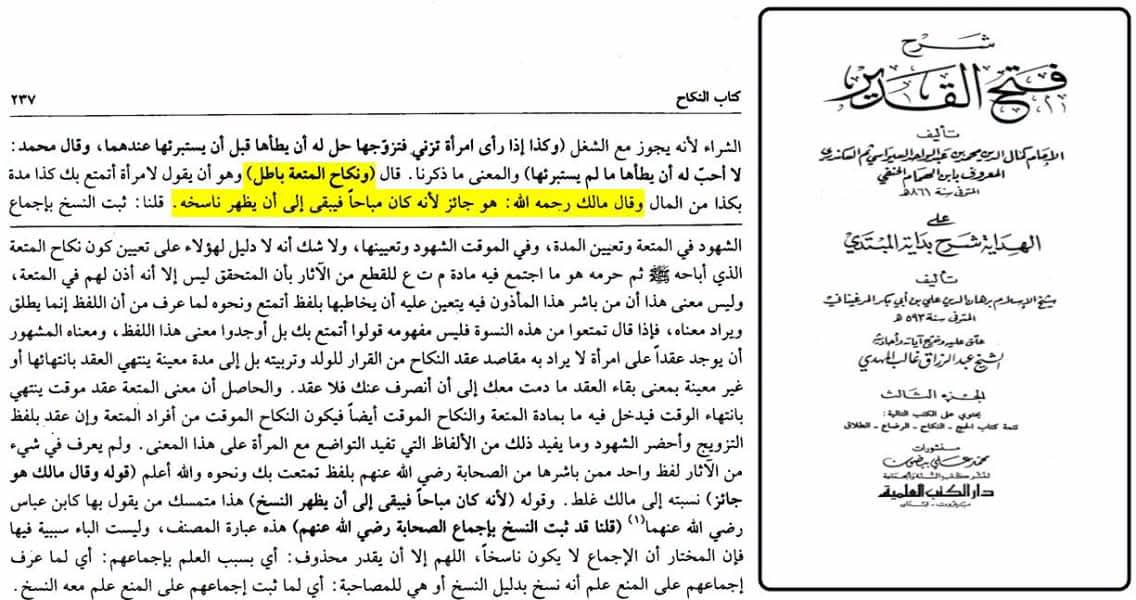
Kitab al-Mabsut fi al-Masa'il al-Khilafiyyah v4 p156
The author discusses Mutah marriage and states that it is considered valid according to Imam Malik. He also cites Ibn Abbas's interpretation of Quran 4:24, while noting that the ruling was subsequently abrogated according to the view presented in the text.
وهذا باطل عندنا جائز عند مالك بن أنس وهو الظاهر من قول ابن عباس رضي الله عنه واستدل بقوله تعالى فما استمتعتم به منهن فآتوهن أجورهن ولا لنا القطع على أنه كان مباحا والحكم الثابت يبقى حتى يظهر نسخه ولكن قد ثبت نسخ هذه
Imam Malik Considered Mutah Disliked, Not Forbidden
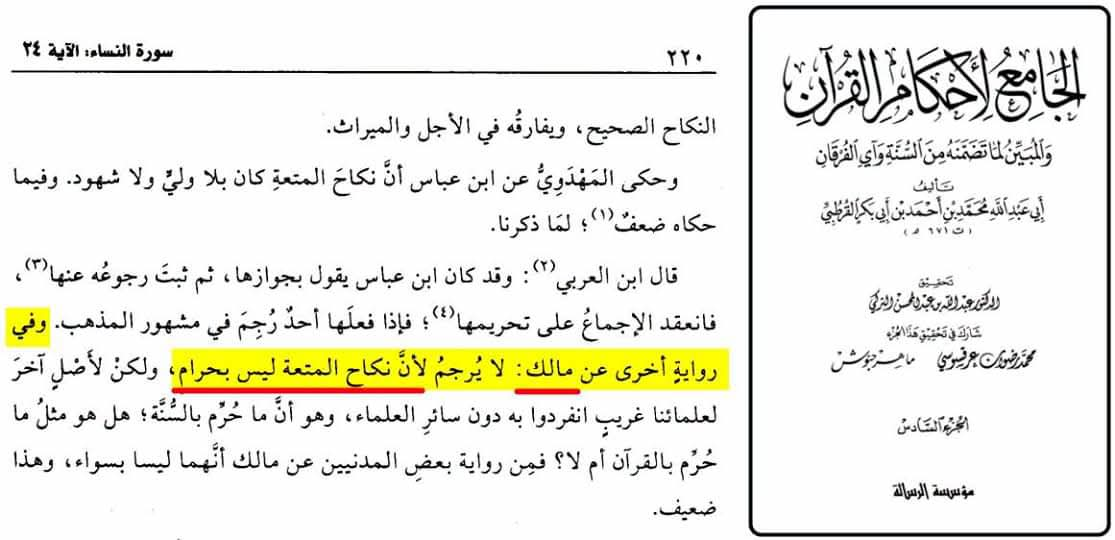
Al-Jami li Ahkam al-Quran v5 p220.
Al-Qurtubi quotes Ibn al-Arabi, who records another opinion attributed to Imam Malik: Mutah marriage is not forbidden, although it is disliked. However, the author also notes that this report differs from the established position of the Maliki school.
وفي رواية أخرى عن مالك: لا يرجم لأن نكاح المتعة ليس بحرام، ولكن لأصل آخر لعلمائنا غريب انفردوا به دون سائر العلماء، وهو أن ما حرم بالسنة، هل هو مثل ما حرم بالقرآن أم لا؟ فمن رواية بعض المدنيين عن مالك أنهما ليسا بسواء، وهذا ضعيف.
Mutah Marriage Was Practiced Without a Guardian or Witnesses
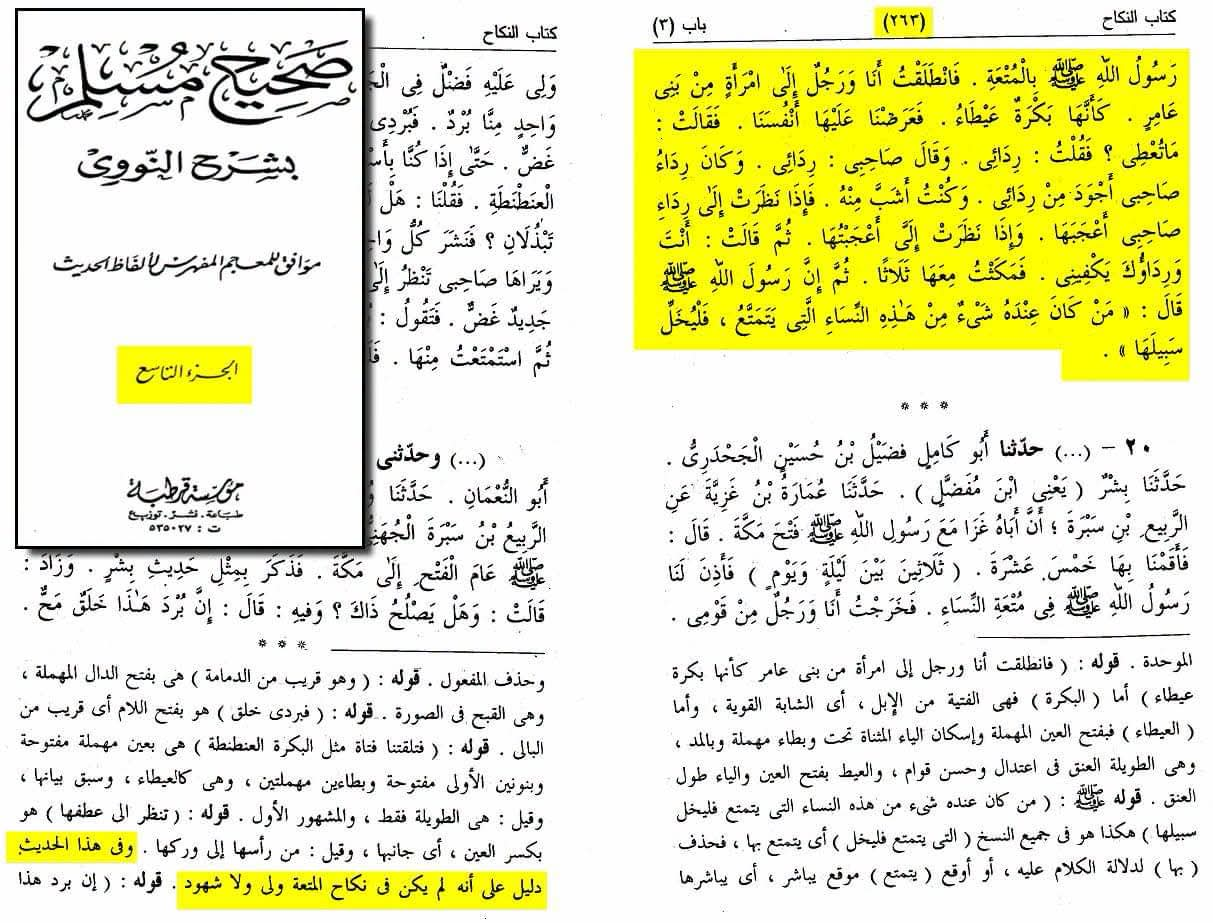
Sahih Muslim bi Sharh al-Nawawi v9 p263
A narration from Sabra ibn Ma'bad al-Juhani describes a temporary marriage during the Prophet Muhammad's lifetime. Sabra and another man approached a woman, who chose Sabra, and he stayed with her for three nights. Al-Nawawi comments that this hadith provides evidence that Mutah marriage took place without a guardian (wali) or witnesses.
وفي هذا الحديث دليل على أنه لم يكن في نكاح المتعة ولي ولا شهود.
Ibn Hibban's Addition of “Two Just Witnesses” Was Questioned by Scholars
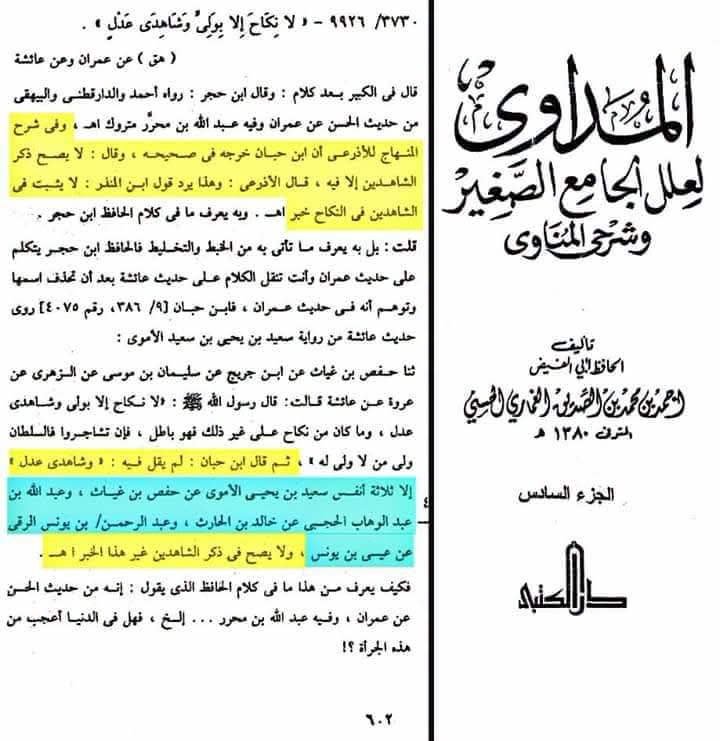
Al-Fatawa li al-Albani v6 p602.
Al-Albani discusses the hadith, “There is no marriage except with a guardian and two just witnesses.” He quotes Ibn Hibban's statement that the addition “two just witnesses” is not authentic except through three narrators, whom Ibn Hibban names. Al-Albani then questions this restriction, noting that the addition has other reported routes.
ثم قال ابن حبان: لم يقل فيه: «وشاهدي عدل» إلا ثلاثة أنفس: سعيد بن يحيى الأموي عن حفص بن غياث، وعبد الله بن عبد الوهاب الحجبي عن خالد بن الحارث، وعبد الرحمن بن يونس الزهري عن عيسى بن يونس. ولا يصح في ذكر الشاهدين غير هذا الخبر أحد.
Imam Ahmad Reportedly Accepted Marriage Without Witnesses
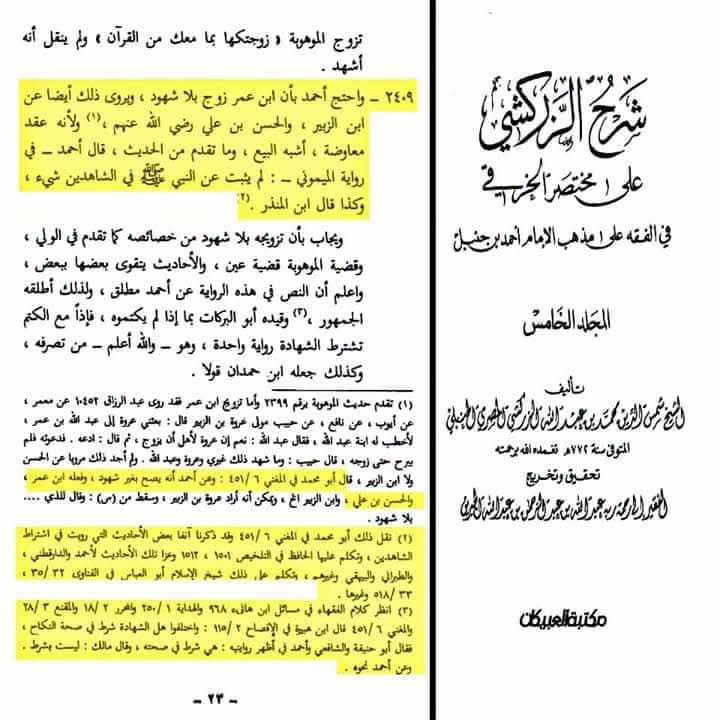
Sharh al-Zarkashi ala Mukhtasar al-Khiraqi v5 p23, Issue 2409.
Al-Zarkashi records that Imam Ahmad ibn Hanbal reportedly married without witnesses. This was also narrated by Ibn al-Mundhir and al-Hasan ibn Ali. Ahmad explained that marriage is a contract of exchange, similar to a sale. In another narration, Ahmad stated that nothing authentic had been established from the Prophet requiring two witnesses for marriage.
واحتج أحمد بأن ابن عمر زوج بلا شهود، وروي ذلك أيضا عن ابن الزبير، والحسن بن علي رضي الله عنهم، لأنه عقد معاوضة، أشبه البيع، وما تقدم من الحديث، قال أحمد - في رواية الميموني -: لم يثبت عن النبي ﷺ في الشاهدين شيء، وكذا قال ابن المنذر.
Marriage Without Witnesses Was Practiced During the Prophet's Lifetime
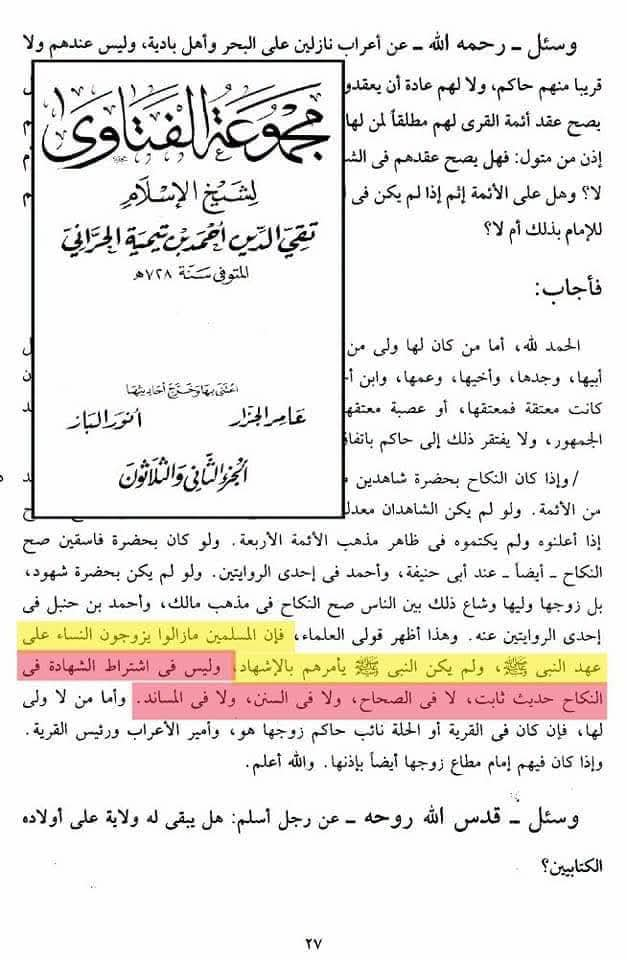
Majmu al-Fatawa v32 p27
Ibn Taymiyyah states that Muslims continued marrying women during the lifetime of Prophet Muhammad without being commanded by him to have witnesses. He adds that requiring witnesses for a valid marriage is not established by an authentic hadith, the consensus of the Companions, the Sunnah, or analogy.
فإن المسلمين ما زالوا يزوجون النساء على عهد النبي ﷺ، ولم يكن النبي ﷺ يأمرهم بالإشهاد، وليس في اشتراط الشهادة في النكاح حديث ثابت، لا في الصحاح، ولا في السنن، ولا في المسانيد.
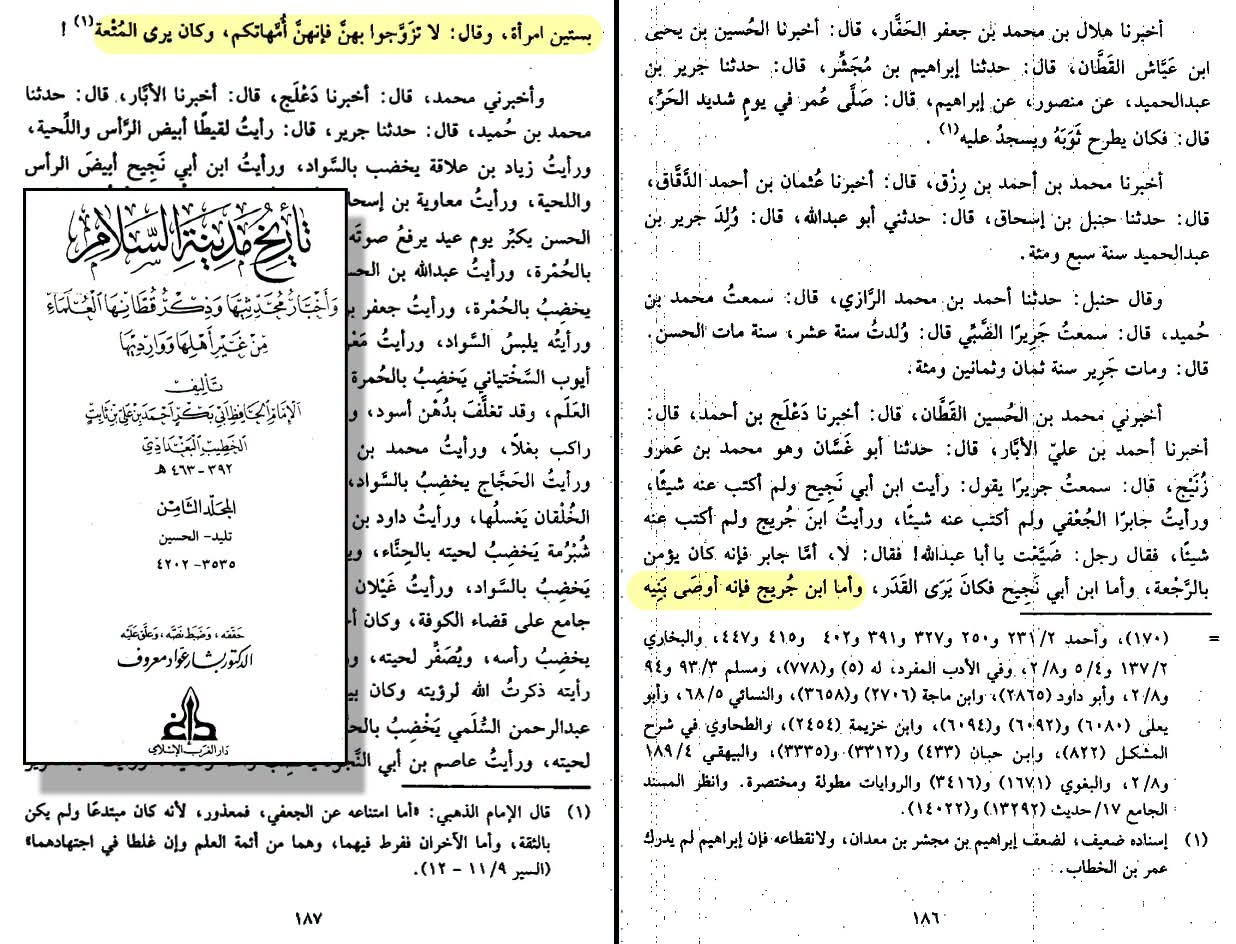
Ibn Jurayj Permitted Mutah According to Sunni Scholars
Tarikh Madinat Dimashq v12 p186–187
Nayl al-Awtar v6 p162
Ibn Asakir records a report about Ibn Jurayj, stating that he believed in Mutah marriage. The same passage mentions that Ibn Abi Najih believed in predestination (Qadar), while Ibn Jurayj believed in Mutah.
وأما ابن أبي نجيح فكان يرى القدر، وأما ابن جريج فإنه أوصى فيه أنه كان يؤمن بالمتعة.وازه. انتهى.